

The complete guide
Choosing an Electric Citrus Juicer: What Actually Matters
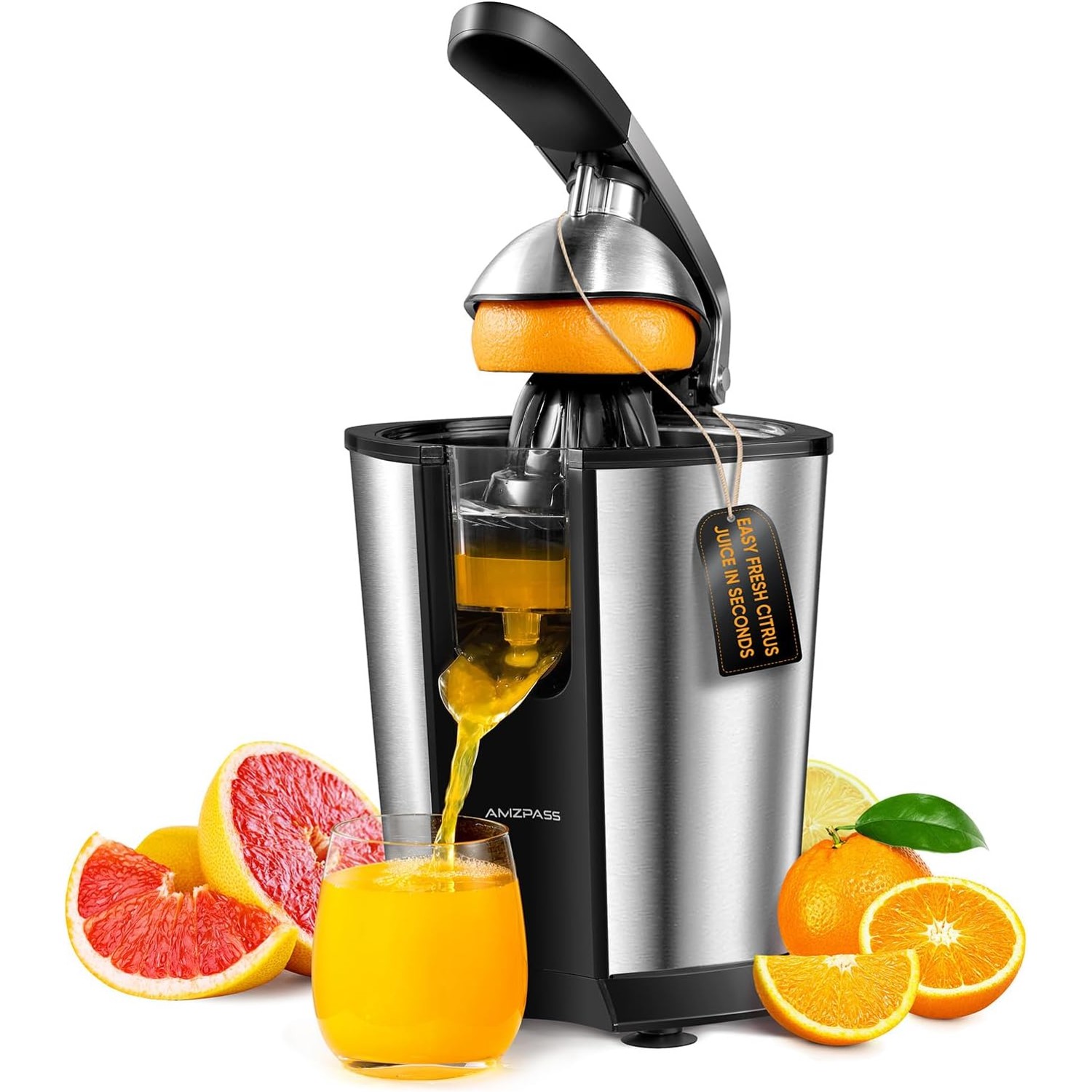
If you have ever tried to juice a grapefruit by hand, you already know the problem this machine solves. Manual citrus presses take real effort and usually leave a mess on the counter and juice under your nails. Cheap electric juicers solve the effort problem but often introduce two new ones: they are loud, and they only really fit one size of fruit. This guide covers what actually matters when picking an electric citrus juicer, and how this one holds up against it.
Motor power and noise are usually a trade-off
Most of the noise from a citrus juicer comes from the motor working harder than it needs to, either because it is underpowered for the fruit or because the manufacturer hasn't bothered to insulate it. A 120W motor is enough to press a whole orange or grapefruit in one motion rather than several short presses, and it keeps the noise down to around 60dB rather than the higher-pitched whine you get from smaller motors straining under load. That is quiet enough to use before the rest of the house is awake.
One machine, more than one fruit
A lot of citrus juicers are sized for oranges and struggle with anything smaller. Two interchangeable cones solve that directly: a smaller cone for limes and lemons when you are juicing for a recipe or a drink, and a larger cone for oranges and grapefruit when you want a full glass. Swapping cones takes a few seconds and no tools, so it is realistic to actually do it rather than a feature that sounds good on the box and never gets used.
Why one-touch pressing matters more than it sounds
A soft-grip handle with a one-touch pressure system means the motor only runs while you are actively pressing the fruit down. There's no separate switch to hunt for with juice-covered hands, and no repeated twisting motion, which is usually what makes a wrist sore after juicing a full jug of orange juice by hand or with a basic manual press.
Materials and cleanup
A stainless steel body holds up to daily use and looks reasonable left out on the counter, which matters if you are going to use it every morning rather than digging it out of a cupboard occasionally. The anti-drip spout keeps the pour controlled, and having every removable part, including both cones, be dishwasher-safe removes the main reason people stop using a juicer after the first few weeks: nobody wants to hand-scrub pulp out of tight corners every day.
The short version
If you want fresh citrus juice regularly rather than as a special occasion, the two things that matter most are that the juicer is quiet enough to use whenever you want and easy enough to clean that you actually will. A 120W motor at around 60dB, two cones for different fruit sizes, one-touch pressing and dishwasher-safe parts cover all three.